THEATRE ACOUSTIC DESIGN
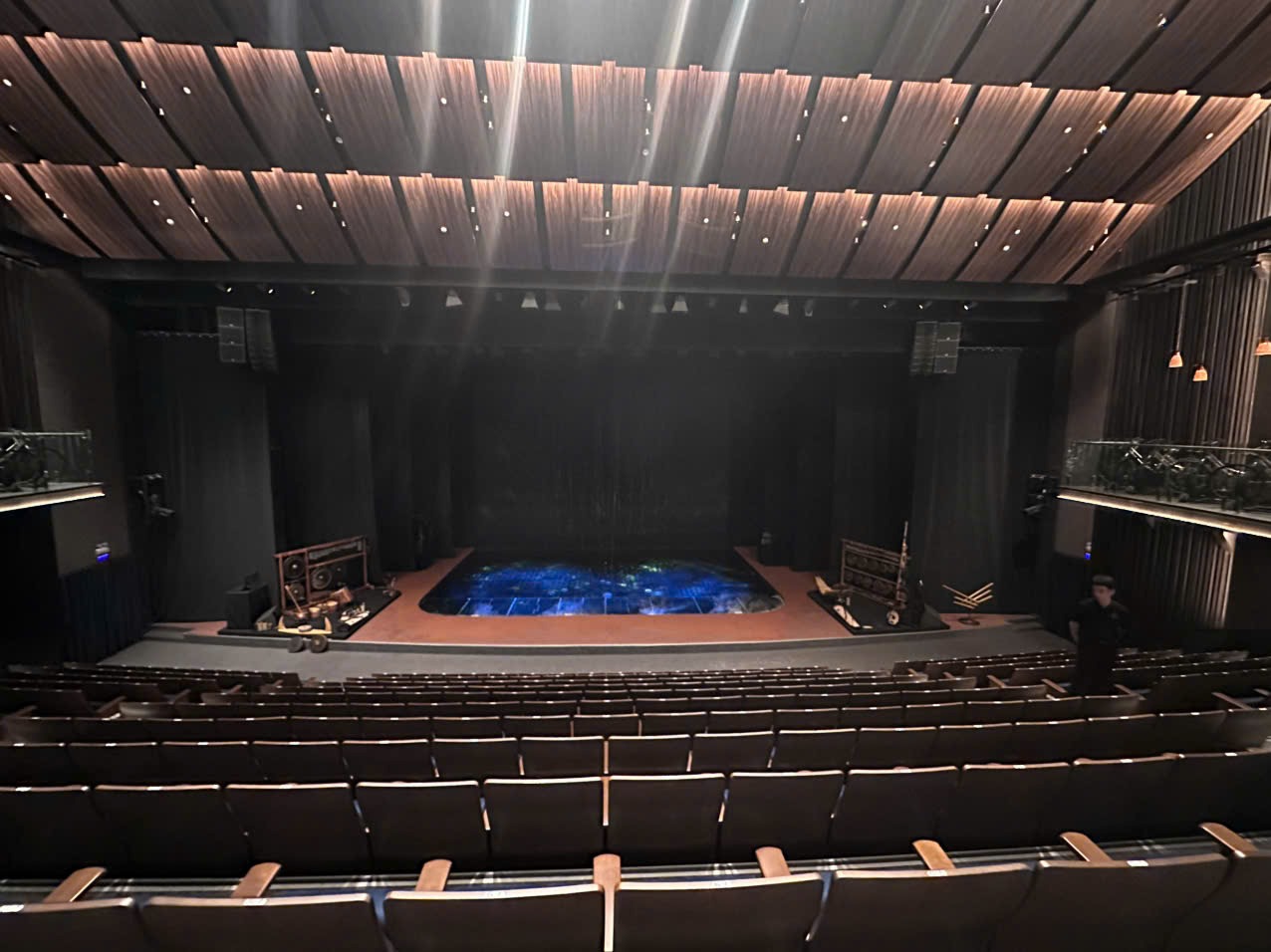
Theatres are spaces where the acoustics is critical to the space meeting its intended objectives. These spaces rely upon the quality of the sound transmission within the theatre to provide a high-quality auditory experience and to ensure clear and intelligible speech, with often natural (unamplified) sound as the source. These outcomes are not always easy to achieve and require careful consideration of the basic principles of theatre design. Over many years it has been found that theatres with poor acoustics will lose favour with both performers and patrons with the result that they do not get used as much and often are demolished. These space requires a specific level of reverberance to enable good intelligibility but also add life to singing and orchestral sounds,
Theatre acoustic design is a fine balance requiring consideration of the following:
- Theatre volume.
- Line of site views.
- Number of seats.
- Sound focusing from the walls, ceiling and any balconies.
- Sound absorption for the rear walls.
- Sound absorption from the floors, chairs and BOH areas.
- Sound reflection from the stage, proscenium arch and/or orchestra pit
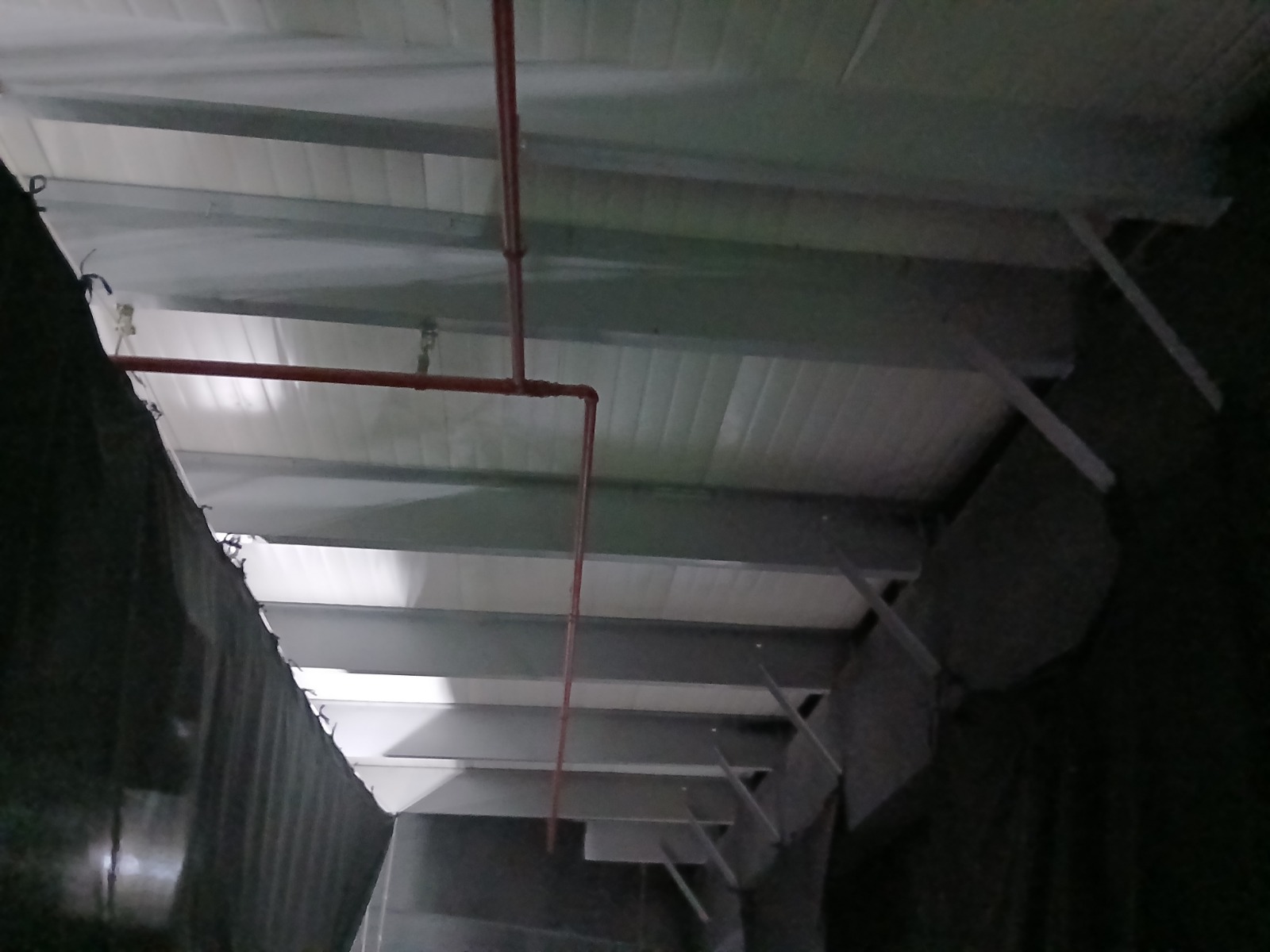
- Noise and vibration from mechanical plant, and rain on the roof.
- Acoustic privacy from the surrounding walls, roofs and floors.
- The control of ground borne vibration and hence noise.
The design of theatre spaces should be directed by the acoustic engineer to ensure quality sound. In this work, we address the sound received by both the audience and the performers. If the performers do not receive sufficient or accurate feedback from the sounds being generated, it is hard for them to perform well. For the audience, the sounds are a significant factor in their enjoyment of the performance.